1. Safety first
The crew checks for hazards such as tight access, weak flooring and electrical wires before entering the area.
Hope Mills, NC · Cumberland County
A strong sickly-sweet smell in your Hope Mills house could mean an animal died in the walls. Call (877) 812-4220 to get dead animal cleanup, removal of soaked insulation and sanitizing.
If anyone is in danger, call 911 first. For a suicide crisis, call or text 988.
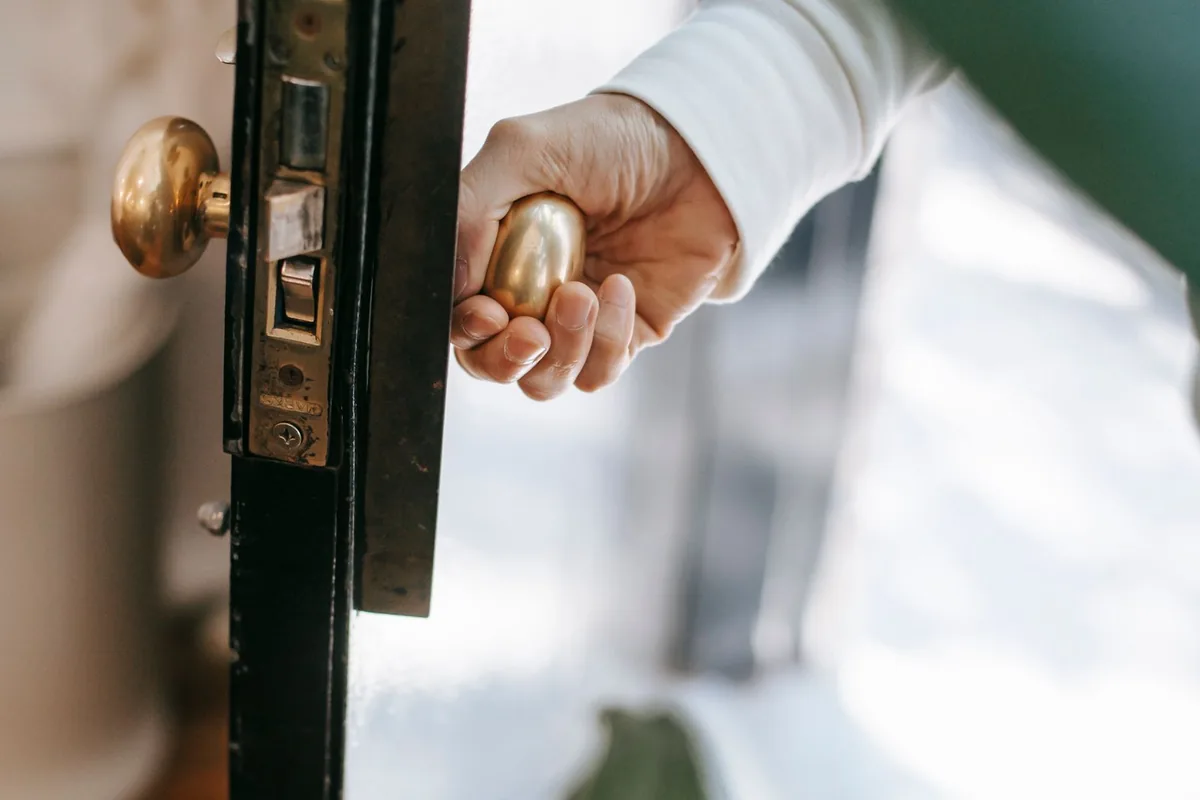
Carcass removal is the safe handling and disposal of a dead animal, whether it is a mouse in a wall, a raccoon in an attic or a larger animal on a property. Crews wear gloves and respirators because fluids can carry germs.
For dead animal problems in Hope Mills, you get cleanup that starts where wildlife or pest control stops. Call Hope Mills Biohazard Cleanup Help and the team removes carcasses, soaked insulation and nesting debris, then sanitizes and deodorizes in Cumberland County.
With roughly 45 inches of annual rainfall in Hope Mills, damp crawl spaces and wall voids make dead animal fluids and odor linger longer. Only about 27% of homes in Hope Mills were built before 1980, but newer homes still have attics, vents and wall voids that animals can reach.
The work often covers:
The crew checks for hazards such as tight access, weak flooring and electrical wires before entering the area.
Technicians put on gloves, respirators and suits, then remove the animal and seal it in heavy bags for disposal.
Insulation, carpet, padding or drywall that absorbed fluids are cut out, bagged and removed.
Remaining surfaces are disinfected, the air is treated, and the owner is walked through what was done.
Expect dead animal removal & cleanup in Hope Mills, NC to cost roughly $150 to $250, with the final price set after an on-site assessment.
Odor treatment needs vary. A closed room is simpler to treat than a house where the smell has spread through ducts and vents.
| Type of job | Typical range |
|---|---|
| Dead animal removal | $150 - $250 |
| Dead animal removal | $150 - $250 |
Estimates only, not a quote. Sources: Bob Vila, HomeAdvisor. Price drivers include where the animal is, whether walls must be opened, size of the animal, odor and cleanup afterward. Call (877) 812-4220 to talk through the job.
Do not touch it bare-handed. Wear heavy gloves, place it in a heavy bag, seal it and dispose of it according to local rules. Wash your hands well afterward. If it is large or you are unsure, call for help.
As an animal decomposes, bacteria break down tissue and release gases with a strong, sickly-sweet smell. In an enclosed wall or attic, that odor has nowhere to go and spreads through the house. Removing the source is the only real fix.
It can be. Fluids can carry germs, and pests such as flies and fleas spread through the home. Do not touch it bare-handed, keep children and pets away and wash your hands well. People with asthma or sensitive lungs should stay out of the area.
It is not a good idea. The odor can last for weeks, flies and other pests may follow, and fluids can stain drywall and insulation. Removal and cleanup are safer and faster than waiting.
No. Cleanup removes the carcass and odor but does not close entry points. A wildlife or pest professional can seal gaps. Removing odor does help, since scent can draw other animals to the same spot.
The crew follows the odor, checks vents, attic access and crawl spaces, and looks for flies and stains. Sometimes a small camera or a small opening in drywall is needed. Once the animal is found, it is removed and the area is cleaned.
A dead animal can carry germs, so protection comes first.
Call (877) 812-4220